
About Me
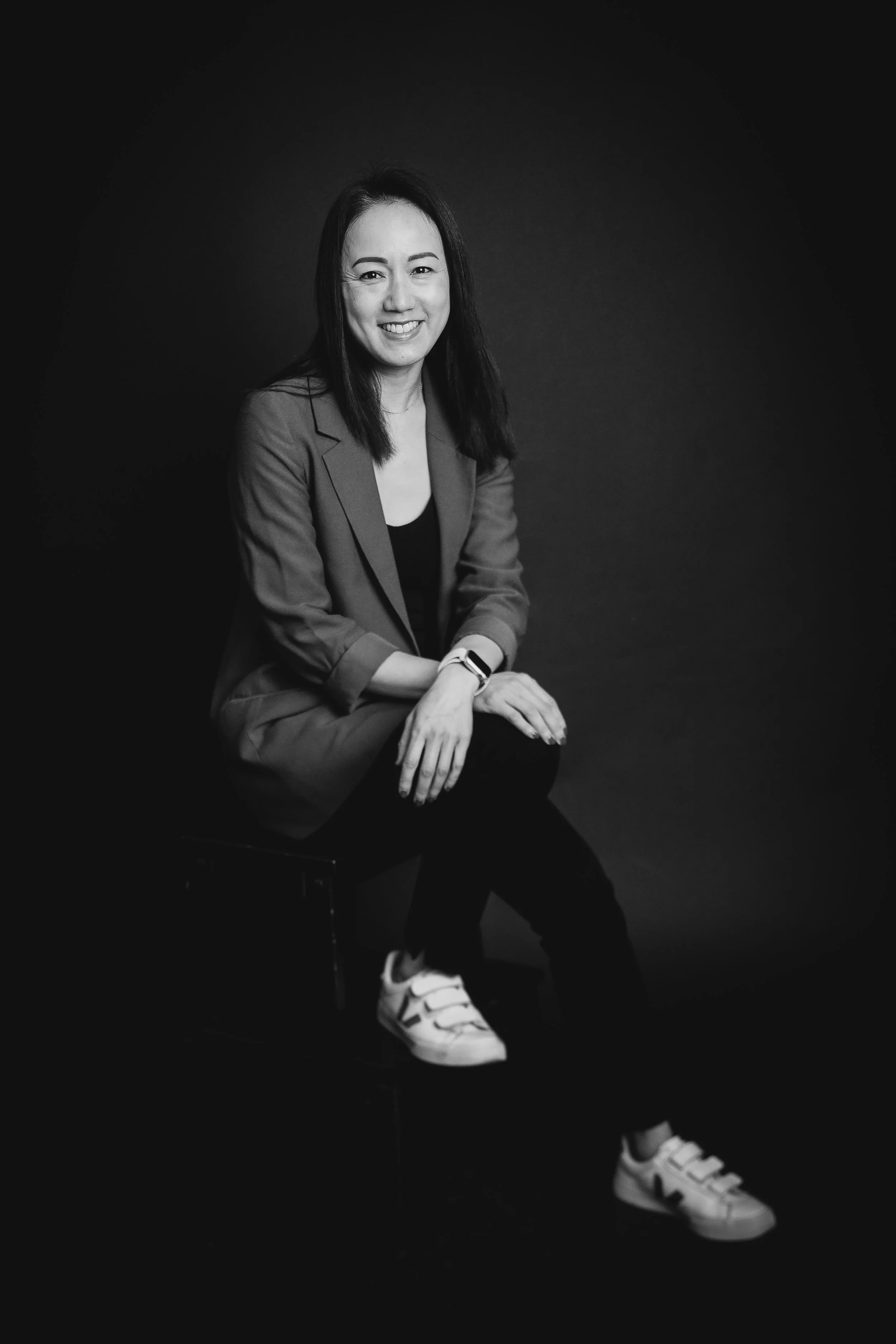
I am a bilingual (English and Cantonese) psychodynamic psychotherapist working with adults, with my practice based in London. With over two decades of corporate experience across major cities worldwide, I understand the weight and demands of high-paced professional life firsthand. My background also spans into hospital and university settings, where I am deeply attuned to care.
Other Work
Alongside my private practice, I work at the Royal College of Art, the world leading university for Art & Design, supporting students in emotionally and creatively demanding environments.
Volunteering
I also volunteer at a hospital chaplaincy, offering a compassionate presence and emotional support to patients undergoing cancer treatment on the chemotherapy ward. This experience has opened my understanding to the strength, vulnerability and uncertainty during times of profound difficulty.
My Values
My wish is to see people live lives unrestricted by their past experiences or present circumstances, and it is my purpose to walk alongside you on that journey. My varied background has given me a deep understanding of cultural identity, belonging, and transition across many walks of life, all of which informs my work with you. I offer a space that is thoughtful, culturally sensitive, and respectful of your unique story.
Experience
I have experience working with individuals from a broad range of backgrounds, including professionals, students, individuals who are neurodiverse, race, sexuality, religion and cross-cultural identity. I have also worked with individuals experiencing a range of clinical presentations, including depression, bipolar disorder, CPTSD, and other emotional and psychological difficulties.
Where ever you are and whatever you are carrying, you are welcomed here.
Qualifications
I am a qualified Psychodynamic Psychotherapist and members of:
British Psychoanalytic Council (BPC) 48952
UK Council for Psychotherapy (UKCP) 2011175310
British Psychotherapy Foundation (BPF) 53359
Foundation for Psychotherapy and Counselling (FPC) 6044
Association of Christians in Counselling (ACC) R01922
I adhere to the professional and ethical standards of these organisations.

How I Work
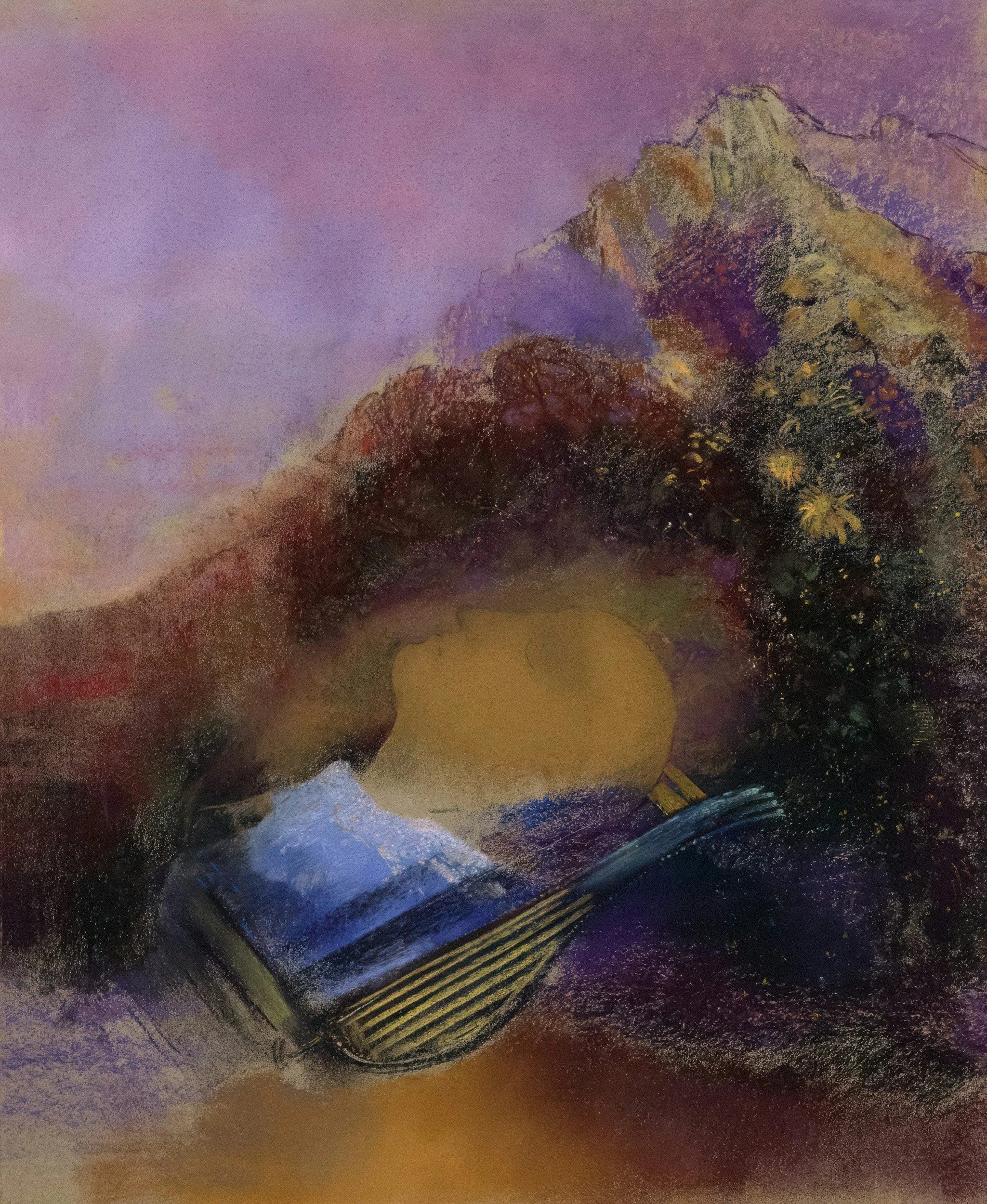
My approach is rooted in psychoanalytic thinking, which recognises how early experiences, often in ways we aren't fully aware of, continue to shape how we feel, relate, and move through the world today.
Sessions
Sessions last 50 minutes and are usually held once a week, either in person or online. I offer sessions in both English and Cantonese, and warmly welcome clients who feel more comfortable expressing themselves in either language.
The Work
In our work together, we explore the patterns of feeling, thought, and behaviour that tend to repeat in your life and begin to understand what these might be informing us about your deeper emotional world. There is no pressure to have the right words or to know exactly what you need; we find our way together, at a pace that feels right for you.
This is not a space for quick fixes or immediate answers. It is a space to reflect, and to develop a richer understanding of yourself, creating the conditions for change that is real and lasting.
Presenting Difficulties
Therapy can help with a range of difficulties, including (but not limited to):
Stress / Emotional Fatigue / Burnout
Depression / Anger / Anxiety
Shame / Guilt
Identity / Lack of meaning and purpose in life
Grief / Separation / Loss and Bereavement
Trauma / Neglect / Physical, Sexual and Emotional Abuse
Sexuality
Interpersonal Relationship Issues / Social Anxiety/ Separation Anxiety
Lack of belonging / Feelings of Emptiness or Loss
Life stages
Illness